Advanced Paddle Boarding Techniques
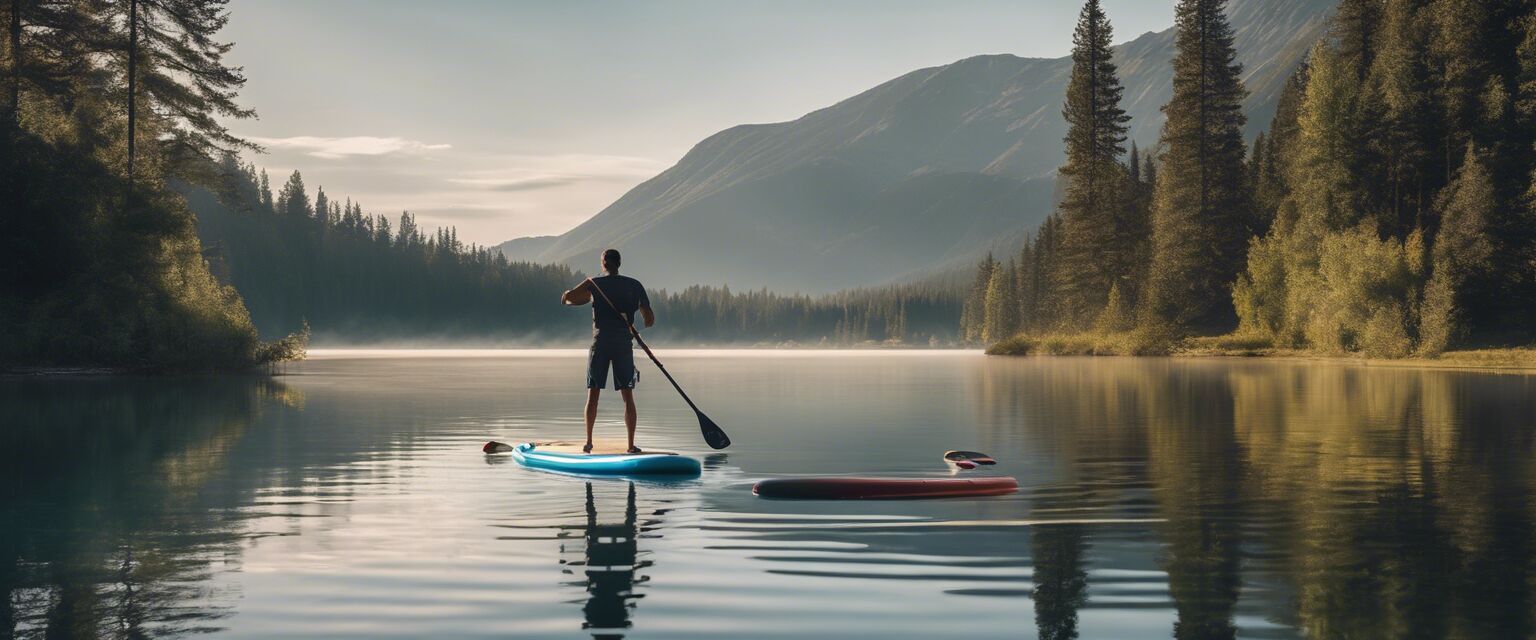
Paddle boarding is not just a leisurely activity; itâs an adventure waiting to be explored. For those who have mastered the basics, it's time to elevate your skills with advanced techniques. In this article, we will delve into various methods that experienced paddle boarders can employ to enhance their performance on the water.
Key Takeaways
- Mastering advanced techniques boosts your performance.
- Proper equipment selection enhances your experience.
- Safety measures are crucial for every paddle boarder.
- Regular practice helps in refining your skills.
Understanding Advanced Techniques
Advanced paddle boarding techniques not only improve your ability but also enhance your overall enjoyment of the sport. Below are some techniques that can help you become an expert paddle boarder:
1. Dynamic Paddling
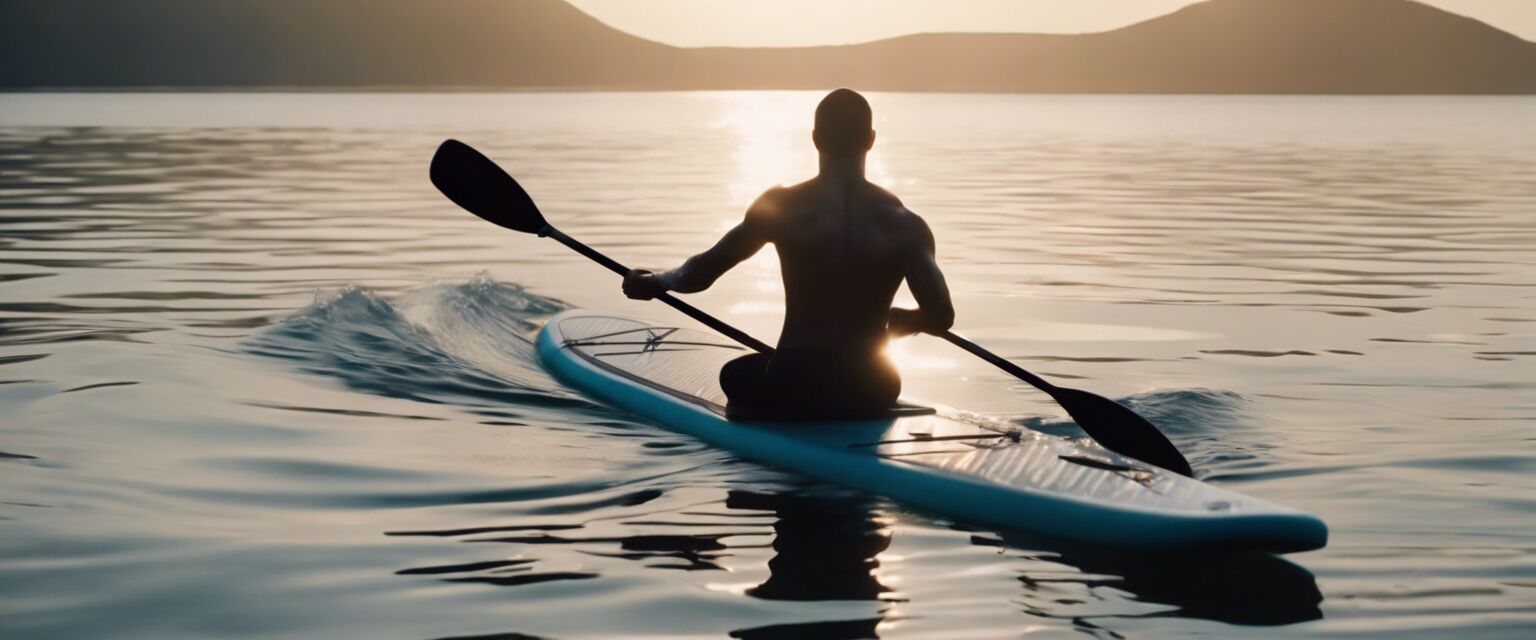
Dynamic paddling involves using your whole body to generate power and speed. Hereâs how to do it:
- Engage your core muscles.
- Use a full paddle stroke by reaching further forward and pulling the paddle back with strong force.
- Rotate your torso with each stroke to maximize power.
2. Turning Techniques
Efficient turning is essential for maneuvering in tight spots. Here are a couple of techniques:
| Technique | Description |
|---|---|
| Step Back Turn | Shift your weight to the back of the board and paddle in a circular motion. |
| Cross Bow Turn | Cross the paddle over the front of the board to push off in the desired direction. |
3. Surfing Waves
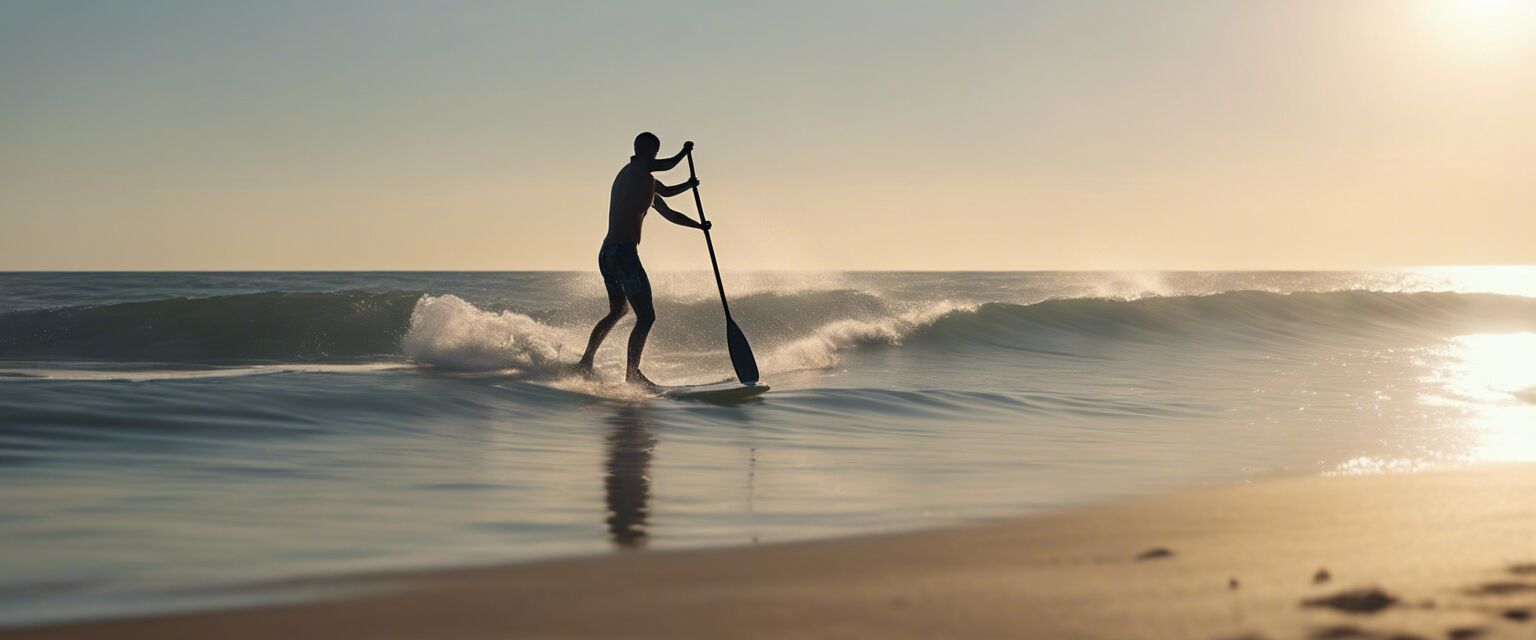
Learning to ride waves can be thrilling. Hereâs how to get started:
- Position yourself on the board to maintain balance.
- Paddle hard to catch the wave before it breaks.
- Shift your weight forward as you ride to maintain speed.
Safety Measures
As you advance in your paddle boarding skills, always prioritize safety. Here are some essential safety measures:
- Wear a personal flotation device (PFD).
- Check weather conditions before heading out.
- Be aware of your surroundings, including currents and potential hazards.
- Never paddle alone; ensure someone knows your plans.
Choosing the Right Equipment
Your choice of equipment can significantly impact your performance. Consider the following:
| Equipment | Purpose | Considerations |
|---|---|---|
| Paddle Board Type | Stability, speed, or maneuverability | Inflatable vs. solid |
| Paddle Material | Weight and strength | Aluminum vs. carbon fiber |
| Safety Gear | Protection and comfort | Life jackets, leashes |
Practice Makes Perfect
No matter how advanced your techniques become, consistent practice is key. Set aside time each week to refine your skills, whether itâs practicing turns, paddling distance, or wave riding.
Tips for Beginners
- Start slow; donât rush into advanced techniques without mastering the basics.
- Join a local paddle boarding club for guidance and support.
- Consider taking lessons from a certified instructor.
- Invest in good quality gear that suits your style and needs.
Conclusion
Advanced paddle boarding techniques can significantly enhance your experience on the water. By mastering dynamic paddling, efficient turning, and wave riding, along with prioritizing safety and the right equipment, you can take your paddle boarding skills to new heights.
For more insights, check out our other articles on inflatable paddle boards, kids' paddle boards, and paddle board accessories.