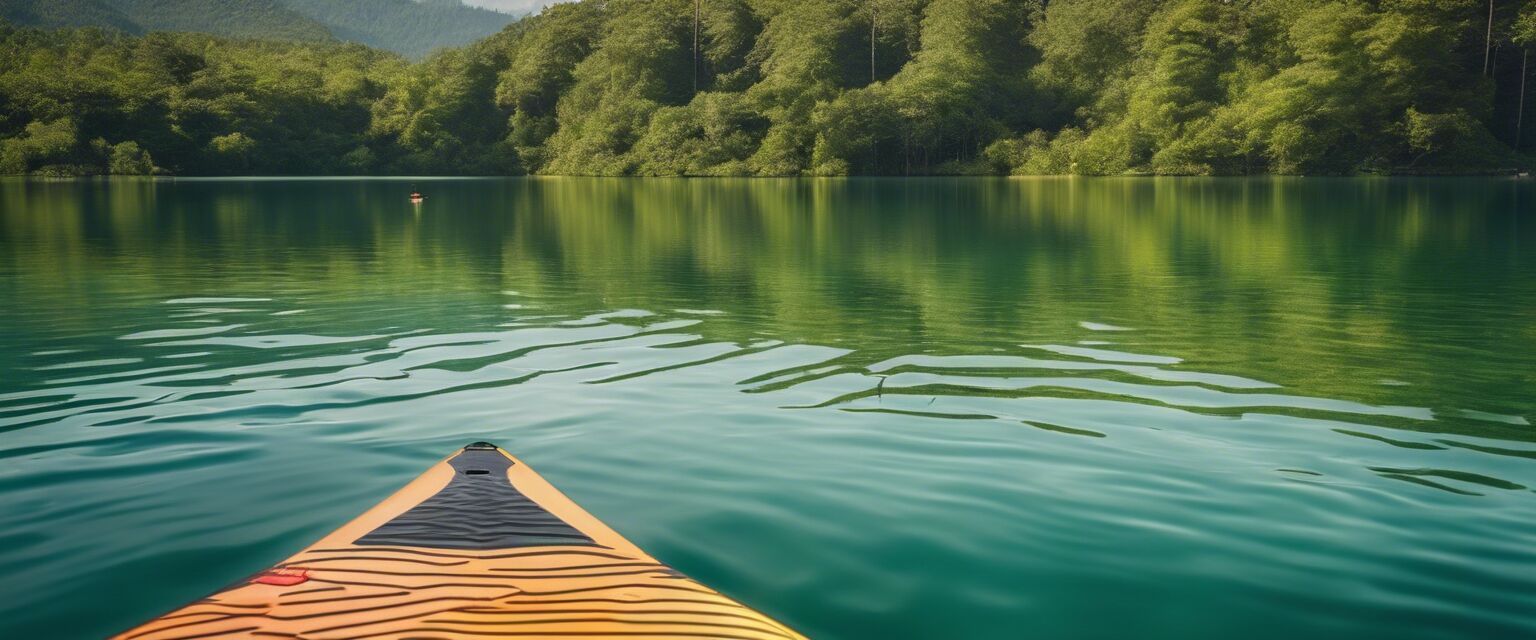
Eco-friendly paddle boarding
Key Takeaways
- Paddle boarding can be a sustainable activity with eco-friendly practices.
- Choosing the right materials and accessories contributes to environmental protection.
- Discover eco-conscious brands and products to enhance your experience.
- Simple changes in your paddle boarding routines can benefit nature.
Paddle boarding has gained immense popularity over the years, not only as a leisure activity but also as a way to connect with nature. However, as enthusiasts, we must consider the environmental impact of our beloved sport. This article explores sustainable and eco-friendly practices you can adopt while paddle boarding, ensuring that your adventures help preserve the beautiful waterways and ecosystems around us.
Why Eco-Friendly Paddle Boarding Matters
As global awareness of environmental issues grows, the need for sustainable practices in all activities, including outdoor sports like paddle boarding, has surfaced. Making eco-conscious choices reduces the carbon footprint of your adventures and helps protect our natural resources.
Impact on Waterways
Paddling through rivers, lakes, and coastal areas can disturb wildlife and pollute the water. It's vital to be aware of your impact and take steps to minimize it.
Choosing Sustainable Materials
The materials used in paddle boards can either contribute to environmental damage or support sustainability. Here are common materials along with their eco-friendliness:
| Material | Eco-Friendliness |
|---|---|
| Polyvinyl Chloride (PVC) | Not bio-degradable; harmful to the environment |
| Biodegradable EVA | Better for the environment; decomposes over time |
| Bamboo | Highly sustainable; fast-growing and renewable |
| Recycled materials | Reduces waste and promotes recycling efforts |
Eco-Friendly Paddle Board Practices
1. Use Eco-Conscious Paddle Boards
Research and select paddle boards made from environmentally-friendly materials. Many brands focus on using natural or recycled materials in their production process.
2. Support Eco-Friendly Brands
Choose to purchase from companies that prioritize sustainability. Here are some categories to explore:
- Brands offering environmentally friendly products
- Companies with a strong commitment to reducing waste
- Paddle boards made from sustainable materials
3. Practice Leave No Trace Principles
When enjoying the waterways, it's imperative to follow the Leave No Trace principles, which include:
- Plan ahead and prepare
- Travel and camp on durable surfaces
- Dispose of waste properly
- Leave what you find
- Be considerate of other visitors
4. Clean Up After Yourself
Always take your trash with you, and consider participating in local clean-up efforts. This is a great way to contribute positively to the environment:

5. Minimize Your Carbon Footprint
Consider carpooling to your paddling destination or using public transportation. Reducing vehicle emissions can significantly lower your environmental impact.
Eco-Friendly Paddle Board Accessories
Choosing Sustainable Accessories
When it comes to paddle board accessories, here are some options that support sustainability:
| Accessory | Eco-Friendly Option |
|---|---|
| Paddle | Look for paddles made from bamboo or recycled materials |
| Leash | Choose leashes made from recycled or biodegradable materials |
| Life Jacket | Seek out jackets constructed from organic or recycled fibers |
| Dry Bag | Opt for dry bags made from sustainable materials |
Explore Paddle Board Accessories
Learn more about eco-friendly paddle board accessories here.
Conclusion
Eco-friendly paddle boarding is about more than just enjoying the water â itâs about making conscious decisions that protect our planet. By selecting sustainable materials, supporting eco-friendly brands, and practicing responsible paddling habits, we can all help preserve our waterways for generations to come. Embrace the beauty of nature while ensuring it stays pristine for the future.
Tips for Beginners
- Start with a paddle board that fits your skill level.
- Always wear a life jacket for safety.
- Learn basic paddling techniques for a smoother experience.
- Join a paddle boarding community for support and guidance.
Pros
- Connects you with nature
- Can be done on various water bodies
- Improves fitness while enjoying leisure
- Eco-friendly options are increasingly available
Cons
- Requires initial investment
- Weather and conditions impact experience
- Environmental impacts must be monitored
- May require physical effort and endurance