Beginners Guide to Paddle Boarding
Key Takeaways
- Paddle boarding is suitable for all skill levels.
- Choosing the right board can enhance your experience.
- Safety gear is essential for enjoyable paddle boarding.
- Practice balance and paddling techniques for better performance.
Paddle boarding is an exciting water sport that combines fitness, adventure, and fun. Whether youâre looking to explore calm lakes, navigate rivers, or ride the waves at the beach, this guide will provide you with all the information needed to get started with paddle boarding.
What is paddle boarding?
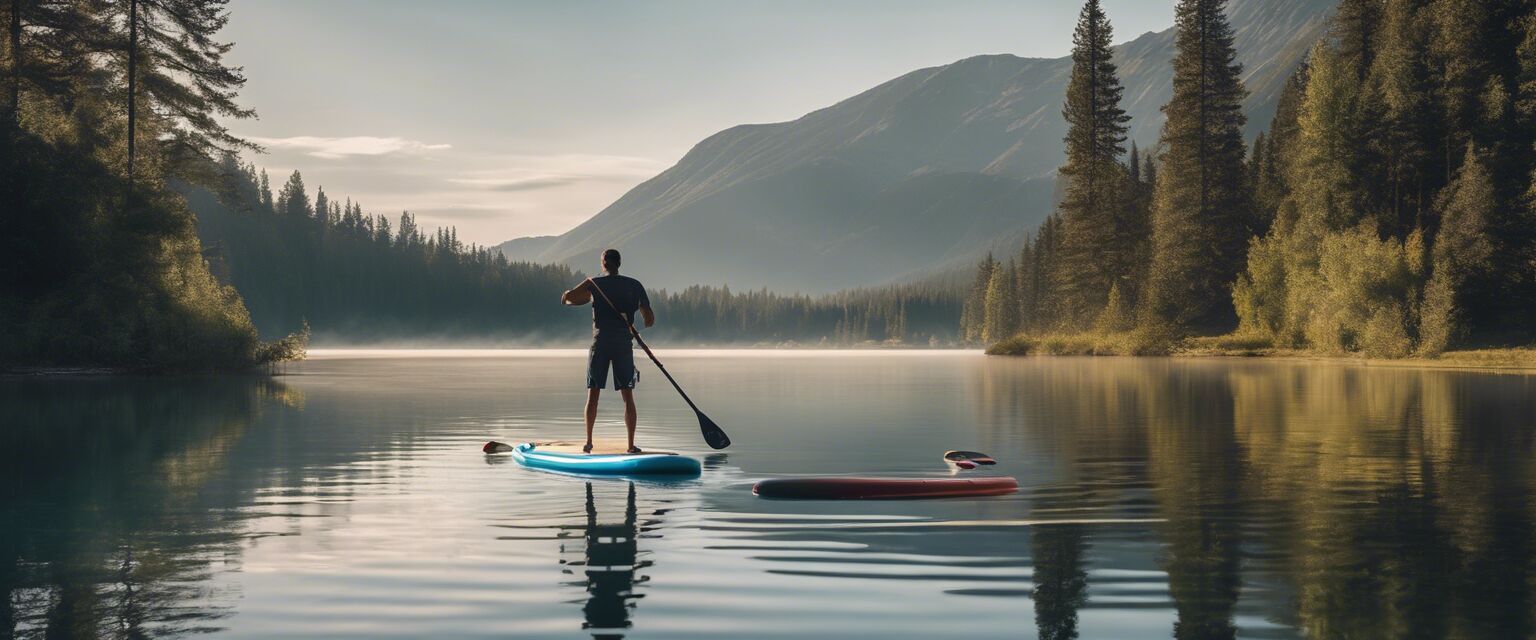
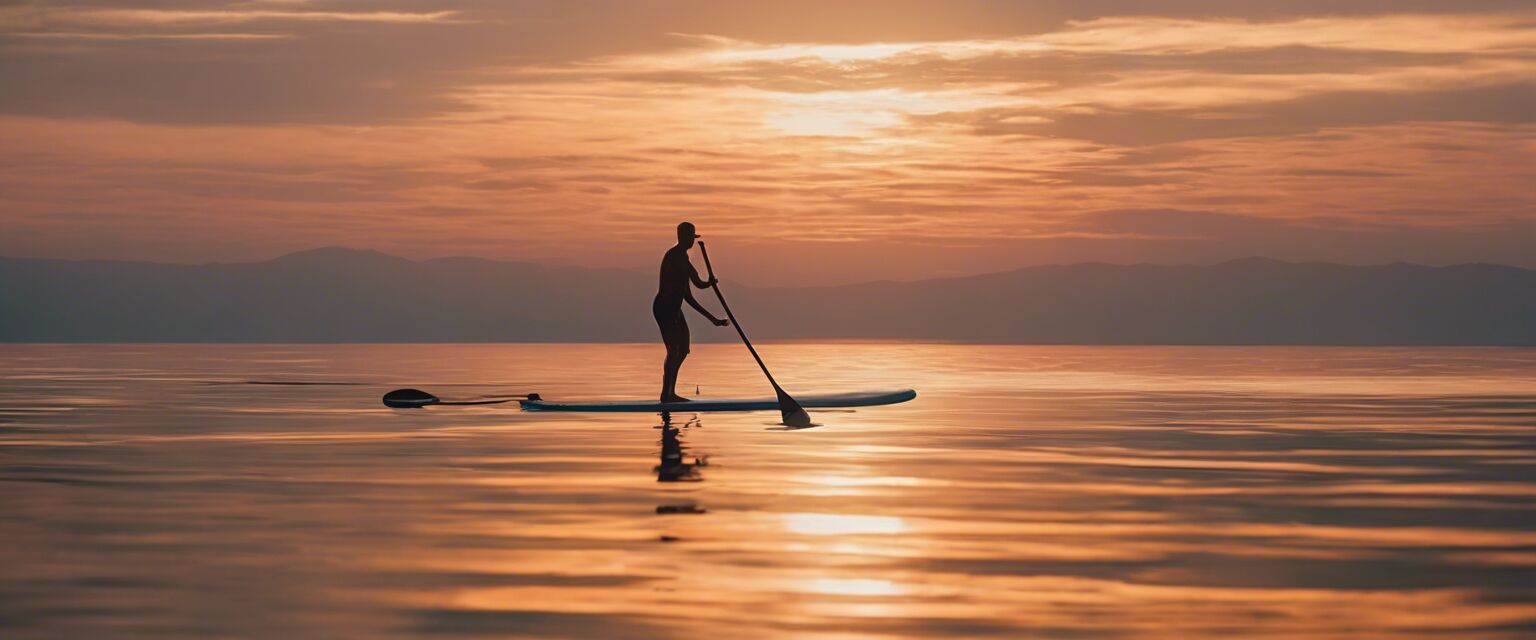
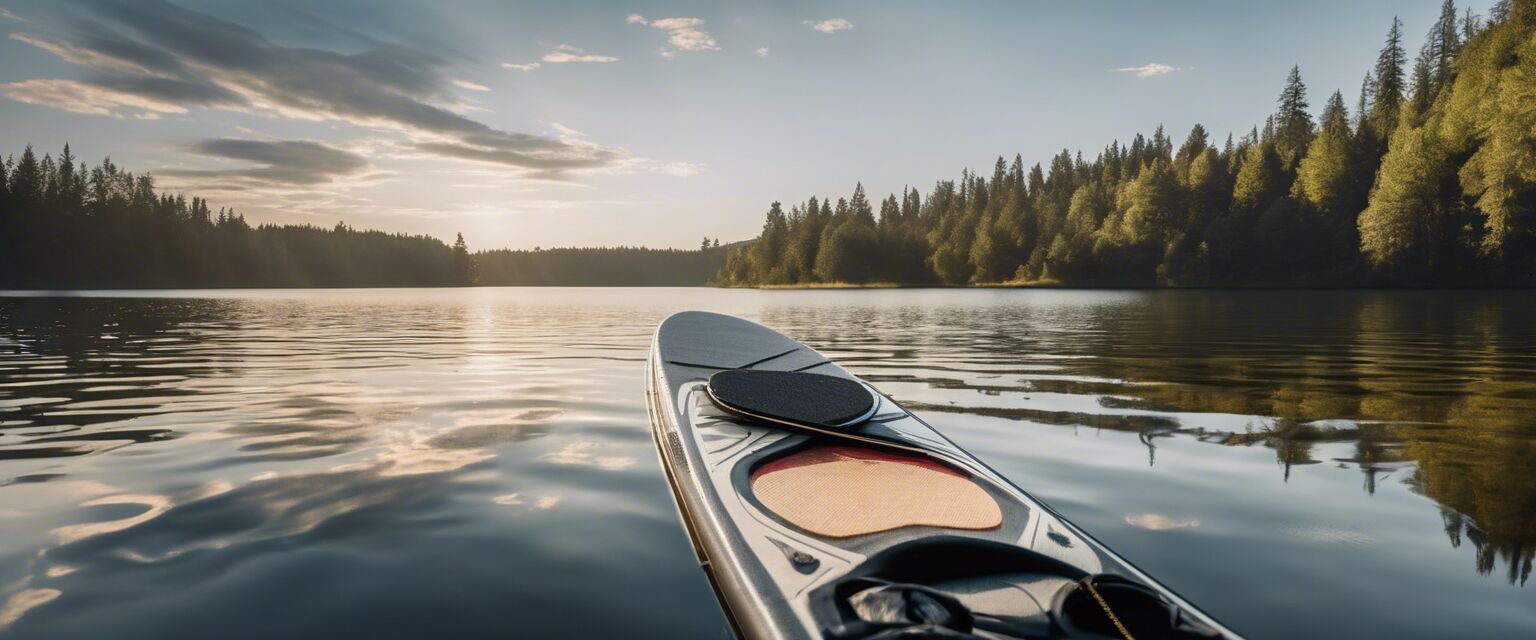
Paddle boarding involves standing on a board while using a paddle to propel yourself through the water. It is a versatile sport that can be enjoyed on various water bodies, making it accessible to everyone from beginners to experienced paddlers.
Types of paddle boards
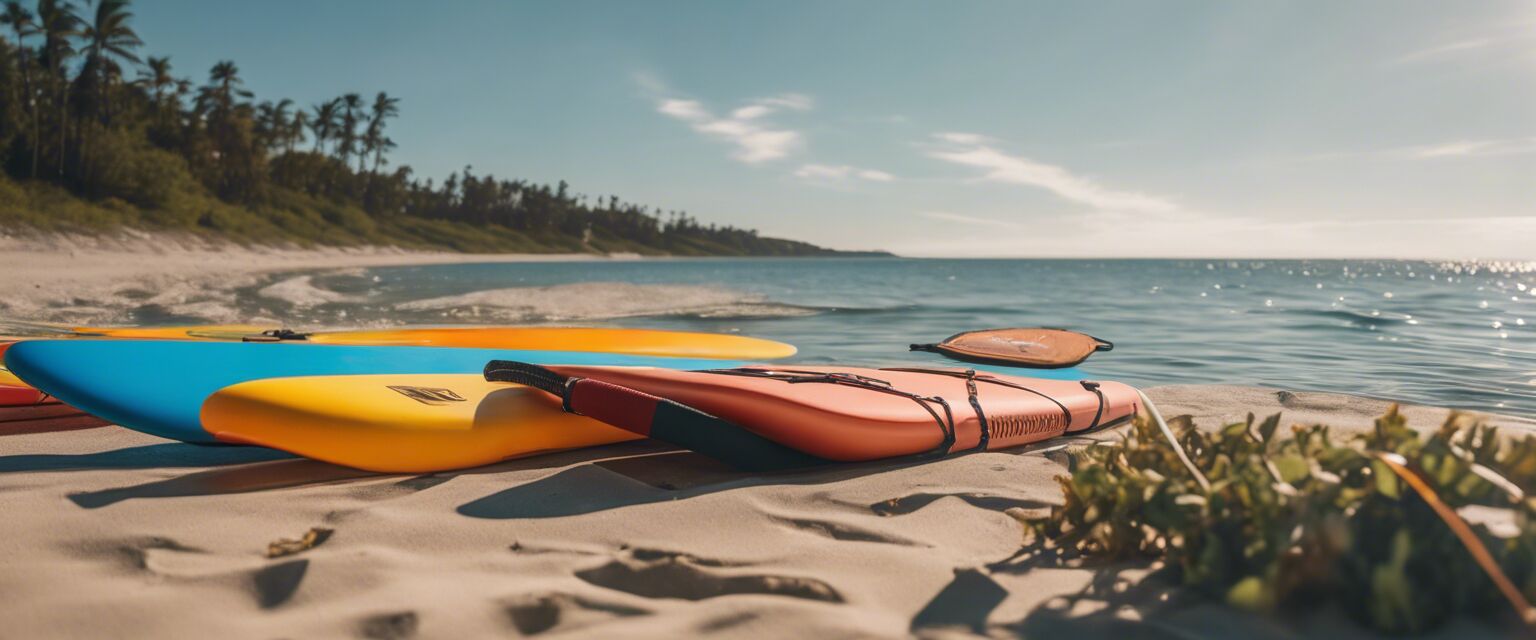
There are several types of paddle boards, each designed for specific activities and water conditions. Hereâs a breakdown:
| Type of Paddle Board | Description | Best For |
|---|---|---|
| Inflatable Paddle Boards | Lightweight and easy to transport, can be inflated for use. | Beginners and casual paddlers. |
| Solid Paddle Boards | Made from hard materials, offering better stability and speed. | Advanced paddlers and racing. |
| Touring Paddle Boards | Longer boards designed for distance paddling. | Long-distance paddling and exploring. |
| Kids' Paddle Boards | Smaller in size and lighter for easier handling. | Children and young paddlers. |
Choosing the right paddle board
Picking the right paddle board can make a significant difference in your experience. Here are some factors to consider:
- Size: Your weight and height will help determine the right board size. Larger boards offer more stability.
- Type: Think about what type of paddle boarding you want to do (recreational, touring, etc.).
- Material: Inflatable vs. solid boards can impact portability and durability.
Paddle Board Accessories
Having the right accessories can enhance your paddle boarding experience. Here are some essential accessories:
- Paddle: Choose a lightweight paddle that fits your height.
- Leash: Keeps you connected to your board for safety.
- Personal flotation device (PFD): Essential for safety.
- Dry bag: Protects your belongings from water damage.
- Sun protection: Sunscreen, hats, and sunglasses are recommended.
Safety tips for paddle boarding
Safety should always be a priority while paddle boarding. Here are some tips to keep in mind:
- Always wear a personal flotation device (PFD).
- Check weather conditions before heading out.
- Stay within your skill level and paddling area.
- Let someone know your plans before you go out.
- Be aware of your surroundings, including other watercraft.
Basic paddle boarding techniques
Mastering some basic techniques will improve your paddle boarding experience:
Balance
Finding your center of gravity is crucial. Stand with your feet shoulder-width apart and knees slightly bent to maintain balance.
Paddling
Use long, smooth strokes while keeping the paddle vertical in the water. Alternate sides to maintain a straight path.
Turning
To turn, paddle on one side more vigorously than the other to pivot your board.
Where to paddle board
Choosing the right location can significantly enhance your paddle boarding experience. Here are some popular options:
| Location | Description | Suitability |
|---|---|---|
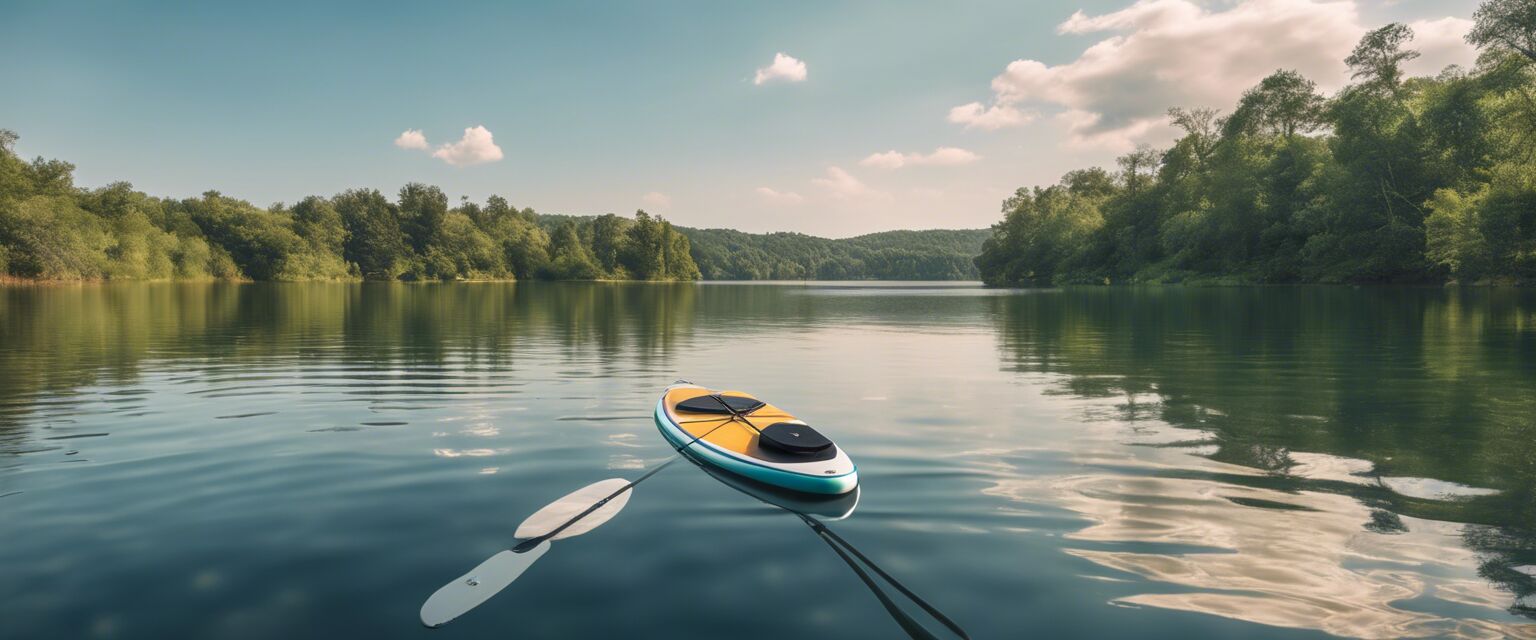
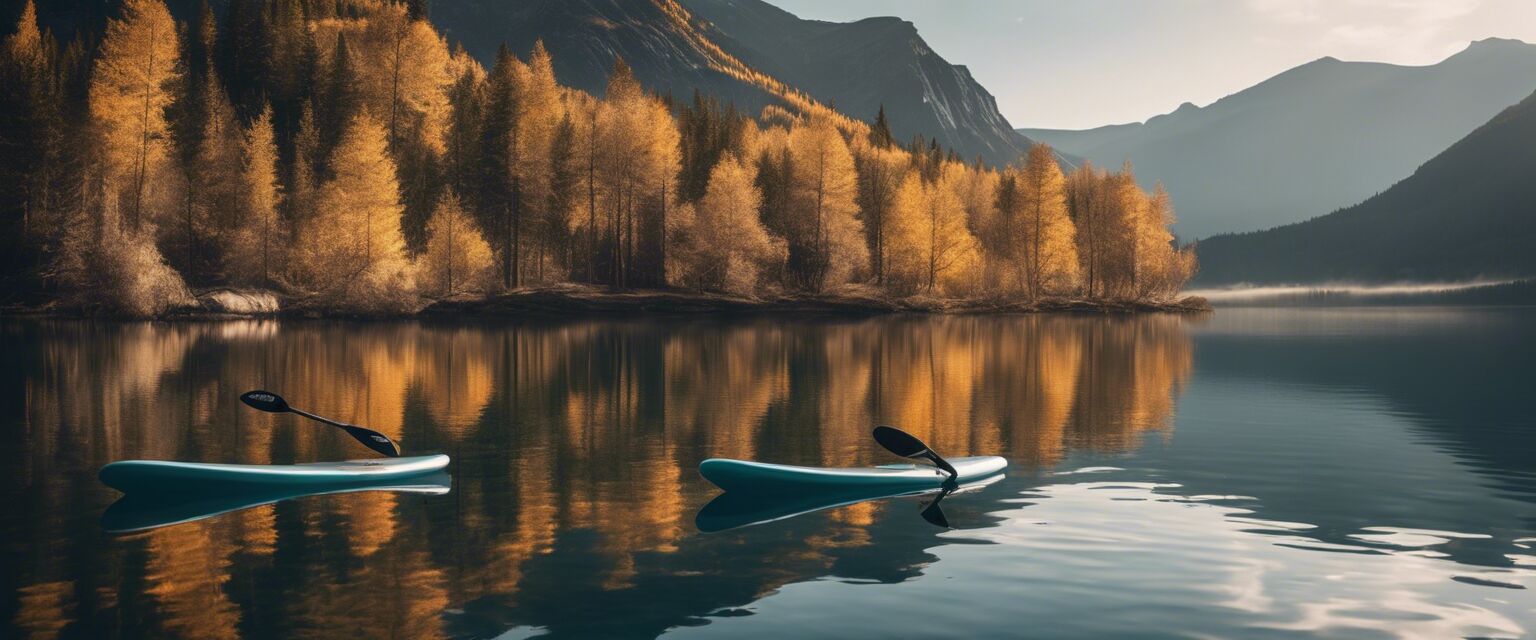
| Lakes | Calm waters, perfect for beginners. | All skill levels. |
| Rivers | Flowing water, can be more challenging. | Intermediate to advanced. |
| Oceans | Waves and tides, requires more skill. | Advanced paddlers. |
Getting started
Now that you have the basics, itâs time to hit the water! Hereâs a quick checklist to get you started:
Beginner tips
- Start in calm, shallow waters.
- Practice balancing before paddling.
- Go with a friend for safety and support.
- Take a lesson if you can, to learn proper techniques.
Join the paddle boarding community
Engaging with other paddle boarders can provide support, tips, and camaraderie. Consider joining local paddle boarding groups or online forums to share experiences and learn from others. You can find great communities through social media platforms or local outdoor shops.
Conclusion
Paddle boarding is a rewarding activity that allows you to connect with nature while getting a great workout. By following this guide, youâll be well on your way to enjoying your paddle boarding adventures. Remember to always prioritize safety, enjoy the process, and have fun!
Pros
- Great full-body workout.
- Accessible for all ages and skill levels.
- Can be done on various water bodies.
- Enhances balance and coordination.
Cons
- Can be challenging for beginners to maintain balance.
- Weather conditions can affect safety and enjoyment.
- Requires investment in equipment and accessories.
For more information on different types of boards and accessories, check out our Inflatable Paddle Boards and Paddle Board Accessories pages.