
Inflatable vs. Hard Paddle Boards
- Inflatable paddle boards are lightweight, portable, and great for beginners.
- Hard paddle boards offer superior stability and performance for advanced users.
- Consider your storage, transportation, and usage needs when choosing between the two types.
- Both types have their advantages and disadvantages, making it essential to assess your priorities.
Paddle boarding has become an immensely popular water sport, but choosing the right board can be overwhelming. This article will provide a detailed comparison between inflatable and hard paddle boards, helping you make an informed decision based on your needs and preferences.
What are inflatable paddle boards?
Inflatable paddle boards, also known as iSUPs (inflatable Stand Up Paddleboards), are made from durable materials that can be inflated to provide a solid surface for paddle boarding. They are known for their lightweight nature, making them easy to transport and store.
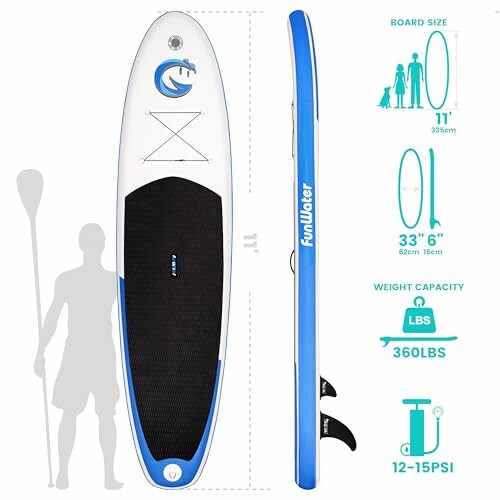
Advantages of inflatable paddle boards
- Lightweight and portable: Easy to carry and pack for travel.
- Durability: Made from strong materials that can withstand impacts.
- Safety: Softer surface reduces injury risk for beginners.
- Storage: Can be deflated and stored in small spaces.
Disadvantages of inflatable paddle boards
- Performance: May not perform as well in rough water compared to hard boards.
- Setup time: Requires time to inflate and deflate before and after use.
- Weight capacity: Generally lower weight capacity than hard boards.
What are hard paddle boards?
Hard paddle boards are made from solid materials like fiberglass, epoxy, or plastic. They provide a stable and rigid structure that can offer better performance in various water conditions.

Advantages of hard paddle boards
- Performance: Better tracking and stability in choppy waters.
- Speed: Generally faster than inflatable boards due to their solid construction.
- Weight capacity: Often have a higher weight limit.
Disadvantages of hard paddle boards
- Portability: Heavier and more challenging to transport.
- Storage: Requires more space for storage compared to inflatable boards.
- Durability: Can be prone to dents and scratches from impacts.
Comparison table: Inflatable vs. Hard paddle boards
| Feature | Inflatable Paddle Boards | Hard Paddle Boards |
|---|---|---|
| Weight | Lightweight | Heavier |
| Portability | Highly portable | Less portable |
| Durability | Impacts resistant | Susceptible to damage |
| Performance | Good for calm waters | Better for rough waters |
| Storage | Easy to store | Requires more space |
Which one should you choose?
Your choice between an inflatable and hard paddle board should depend on several factors, including:
- Intended use: If you plan to paddle in calm waters, an inflatable board may suffice. For more challenging conditions, consider a hard board.
- Transport needs: If you travel frequently, an inflatable board is easier to transport.
- Storage space: Consider your available storage space at home.
- Experience level: Beginners may benefit from the safety features of an inflatable board.
Conclusion
In summary, both inflatable and hard paddle boards have their own unique advantages and disadvantages. Your decision should be based on your personal preferences, intended use, and lifestyle. Take the time to assess your needs before making a purchase.
Tips for beginners
- Start with an inflatable board if you're new to paddle boarding; it's more forgiving.
- Practice balancing on flat water before venturing into rougher conditions.
- Invest in a good paddle and safety gear for the best experience.
- Consider taking a lesson to learn proper techniques and safety tips.
Pros of inflatable paddle boards
- Lightweight and easily transportable.
- Safe and stable for beginners.
- Space-saving when stored.
Cons of inflatable paddle boards
- Setup and inflation time required.
- Performance can lag in rough conditions.
Pros of hard paddle boards
- Superior performance and efficiency.
- Stable and steady in challenging conditions.
- Higher weight capacity.
Cons of hard paddle boards
- Heavier and harder to transport.
- Requires more storage space.
Explore more about paddle boards
To learn more about specific types of paddle boards and accessories, check out our other articles: